
Objective
The purpose of a solar energy lighting system is to provide lighting using energy from the sun. The system consists of a solar panel that captures sunlight during the day, a battery that stores the energy generated by the solar panel, and a light fixture that provides illumination at night. The solar panel converts sunlight into electrical energy, which charges the battery during the day. At night, the battery powers the light fixture, providing illumination without the need for grid electricity.
Why solar energy lighting system to use?
There are several reasons why using a solar water pumping system is a good idea. Here are some of the main benefits:
Energy Efficiency:Solar energy lighting systems use energy from the sun, a renewable and free source of energy, making them highly energy-efficient and reducing reliance on grid electricity.
Cost Savings:Once installed, solar energy lighting systems require little to no ongoing maintenance costs, and the use of renewable energy can lead to significant cost savings over time, especially in areas where grid electricity is expensive or unavailable.
Environmental Benefits:Solar energy lighting systems do not produce greenhouse gases or other harmful pollutants, making them environmentally friendly and sustainable.
Easy Installation:Solar energy lighting systems are easy to install and can be quickly set up in almost any location without requiring complex wiring or electrical connections.
Durability:Solar energy lighting systems are designed to withstand harsh weather conditions and can continue to provide lighting even in the event of power outages or other disruptions.
Flexibility:Solar energy lighting systems can be used in a variety of settings, including outdoor walkways, parks, parking lots, and other public spaces, providing lighting where grid electricity is not available or not practical.
Safety and Security:Solar energy lighting systems can provide lighting in areas where safety and security are a concern, helping to deter crime and increase visibility in public spaces.
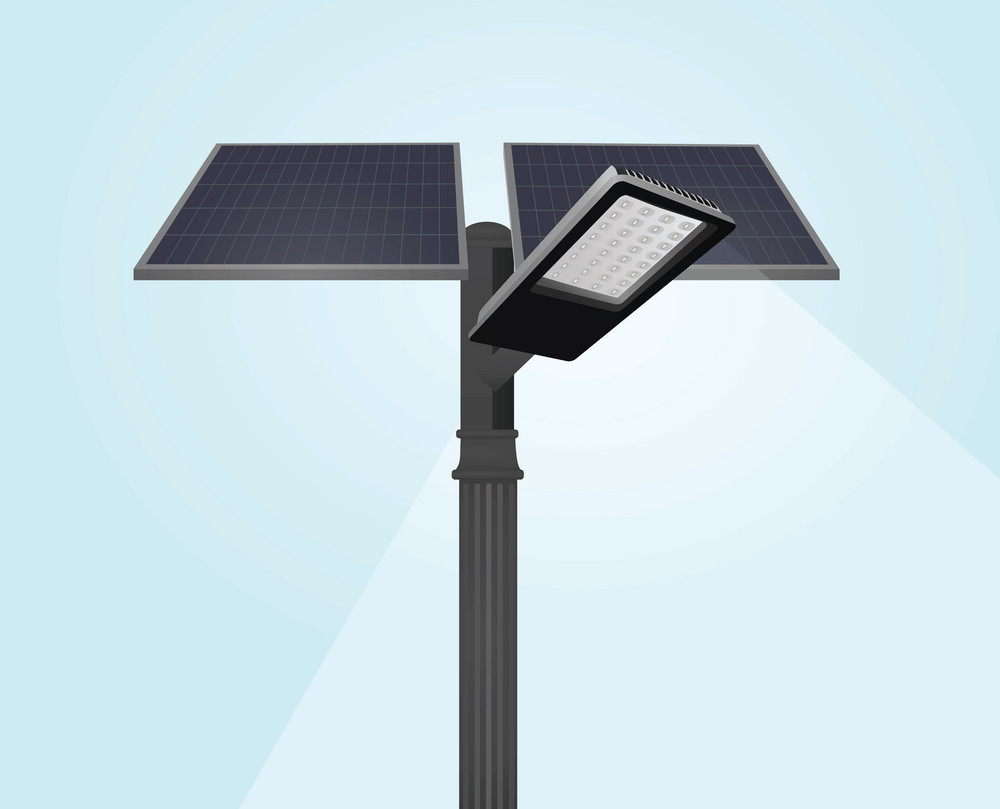
Components
The key components of a solar energy lighting system include:
- Solar Panel: The solar panel is the primary component of the system and is responsible for capturing energy from the sun and converting it into electrical energy.
- Battery: The battery is used to store the electrical energy generated by the solar panel during the day, which can be used to power the light fixture at night or during periods of low sunlight.
- Charge Controller: The charge controller is used to regulate the amount of power flowing from the solar panel to the battery, preventing overcharging or undercharging of the battery.
- Light Fixture: The light fixture is the component of the system that provides illumination, and can be designed for a variety of uses, such as outdoor walkways, parks, parking lots, and other public spaces.
- Wiring and Connectors: Wiring and connectors are used to connect the various components of the system, including the solar panel, battery, charge controller, and light fixture.
Installation
The installation of a solar water pumping system involves several steps, including:
- Site Assessment The first step in installing a solar energy lighting system is to assess the site where the lighting is needed. This includes evaluating the amount of sunlight the area receives, the size and layout of the space, and any potential obstacles or shading that may affect the performance of the system.
- Design and Planning Based on the site assessment, the system design and specifications can be determined. This includes selecting the appropriate solar panel, battery, charge controller, and light fixture, as well as determining the appropriate wiring and connectors needed.
- Mounting the Solar Panel Once the design and planning are complete, the solar panel can be mounted in a location where it can receive maximum sunlight exposure. This typically involves installing a mounting bracket or pole, securing the solar panel in place, and connecting it to the rest of the system.
- Mounting the Light Fixture The light fixture can then be mounted in the desired location, typically using a mounting bracket or pole. Wiring and connectors are used to connect the light fixture to the rest of the system.
- Installing the Battery and Charge Controller The battery and charge controller can be installed in a secure and accessible location, such as a weather-resistant enclosure. Wiring and connectors are used to connect the battery and charge controller to the solar panel and light fixture.
- Testing and Commissioning Once the installation is complete, the system can be tested and commissioned to ensure that it is operating properly. This includes testing the functionality of the solar panel, battery, charge controller, and light fixture, as well as ensuring that all wiring and connections are secure and functioning properly.